Baby Whale: A Delicate Script Handwritten Font for Editors
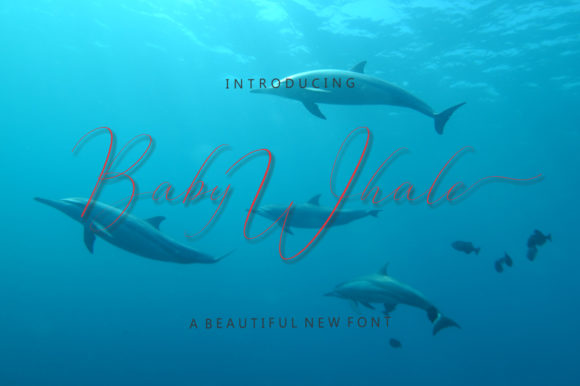
As an editorial designer who spends hours curating the visual voice of digital magazines and print publications, I know that finding the right Fonts can make or break a reader's engagement. When I discovered Baby Whale, I immediately recognized it as more than just another Script Handwritten typeface; it is a tool specifically crafted to bring warmth and personality to serious content. Baby Whale is a sweet and delicate handwritten font. Its fashionable and cursive style makes it incredibly fitting for a large pool of designs, offering a unique solution for creators looking to soften their brand identity without sacrificing professionalism.
Using Baby Whale for Elegant Magazine Covers and Blog Headers
The first place where Baby Whale truly shines in my workflow is on magazine covers and blog headers, where the primary goal is to stop the scroll and invite the reader in. Unlike rigid serif fonts or stark sans serif options, this Script Handwritten family brings an immediate sense of approachability and human connection. Because Baby Whale is a sweet and delicate handwritten font, it works exceptionally well for lifestyle blogs, wellness newsletters, and fashion editorials where the tone needs to be inviting rather than authoritative. Its fashionable and cursive style makes it incredibly fitting for a large pool of designs, allowing me to create cover lines that feel like a personal recommendation from a friend rather than a corporate announcement.
When designing a digital magazine layout, I often use Baby Whale for the main title while keeping the body copy in a clean, readable sans serif font. This contrast creates a strong visual hierarchy that guides the eye naturally down the page. The PUA encoding feature is particularly valuable here, as it ensures that all the special characters and ligatures render correctly across different devices, preventing the frustrating "missing character" boxes that plague many free scripts. This reliability means I can trust Baby Whale to look perfect whether the reader is viewing the article on a high-resolution tablet or a mobile phone screen.
Creating Emotional Impact with Baby Whale Quote Graphics
In the world of content marketing, pull quotes are essential for breaking up long-form text and highlighting key insights, and Baby Whale transforms these elements into emotional anchors. As someone who frequently designs quote graphics for social media promotion, I find that Baby Whale adds a layer of sophistication that standard display fonts simply cannot achieve. Since Baby Whale is a sweet and delicate handwritten font, it elevates inspirational quotes, testimonials, and author blurbs, making them feel intimate and authentic. Its fashionable and cursive style makes it incredibly fitting for a large pool of designs, ensuring that even a simple text overlay becomes a piece of art that readers want to share.
I often pair Baby Whale with soft watercolor backgrounds or minimal line art to create cohesive quote cards for Instagram and Pinterest. The font's natural flow mimics the movement of a pen on paper, which subconsciously signals authenticity to the audience. This is crucial for building trust in coaching workbooks, self-help ebooks, and personal development guides. By using Baby Whale for these accent pieces, I can maintain a consistent brand voice that feels both modern and timeless, distinguishing the publication from competitors relying on generic typography.
Baby Whale for Printables, Workbooks, and Educational Guides
For creators producing downloadable assets like planners, worksheets, and educational guides, the choice of Fonts must balance aesthetics with functionality. Baby Whale offers a delightful option for section headers, daily affirmations, and decorative accents within these documents. Because Baby Whale is a sweet and delicate handwritten font, it injects personality into structured formats like lesson plans and productivity trackers. Its fashionable and cursive style makes it incredibly fitting for a large pool of designs, turning a mundane PDF into a premium product that customers are eager to purchase. This is especially true for niche markets such as wedding planning, baby shower invitations, and creative journaling prompts.
One of the standout features for printable designers is the PUA encoding, which means you can access all the necessary glyphs without worrying about compatibility issues when exporting to PDF. This technical reliability allows me to include complex ligatures and alternate characters that add a bespoke touch to every page. Whether I am designing a recipe ebook with handwritten ingredient lists or a teacher's guide with encouraging notes in the margins, Baby Whale provides the flexibility needed to create a polished final product. It bridges the gap between professional typesetting and the charm of hand-lettering, making it an indispensable asset for any digital product creator.
Mastering Font Pairing with Baby Whale for Editorial Layouts
A common challenge in editorial design is knowing how to pair a decorative script with functional body text, but Baby Whale simplifies this process with its clear and legible structure. To maximize readability, I recommend pairing Baby Whale with a neutral sans serif font for navigation and captions, or a classic serif font for long-form articles. This combination leverages the strengths of each typeface: the Script Handwritten nature of Baby Whale captures attention, while the supporting fonts ensure the content remains easy to digest. Since Baby Whale is a sweet and delicate handwritten font, it should be reserved for titles, subtitles, and short phrases rather than paragraphs of dense text.
This strategic pairing is vital for maintaining visual hierarchy in newsletters and online guides. For instance, in a monthly newsletter, I might use Baby Whale for the welcome message and section dividers, creating a warm introduction before transitioning to a crisp sans serif for the news updates. Its fashionable and cursive style makes it incredibly fitting for a large pool of designs, allowing for seamless integration into various layouts without overwhelming the reader. By understanding where to apply Baby Whale and where to step back, designers can create sophisticated compositions that enhance the reading experience and reinforce brand identity.
Commercial Licensing and Professional Use of Baby Whale
For publishers and independent creators, understanding the licensing terms of your design assets is critical for protecting your business and respecting intellectual property rights. When investing in Fonts like Baby Whale, it is essential to confirm that the license covers your specific use cases, such as paid ebooks, client publications, and digital downloads. Because Baby Whale is a sweet and delicate handwritten font designed for professional application, it typically comes with a commercial license that empowers creators to monetize their work without legal ambiguity. Its fashionable and cursive style makes it incredibly fitting for a large pool of designs, making it a safe and versatile choice for agencies and freelancers alike.
The PUA encoding mentioned in the product details also speaks to the font's robustness, ensuring that your designs remain intact across all platforms and software versions. This technical stability is a hallmark of premium fonts, distinguishing them from lower-quality alternatives that may cause rendering errors in production environments. Whether you are branding a new startup, designing a series of children's books, or creating templates for a subscription service, Baby Whale offers the reliability and aesthetic appeal needed to succeed in a competitive market. By choosing a well-engineered typeface, you invest in the longevity and professionalism of your entire content ecosystem.